As the demand for efficient storage systems grows, businesses are turning to advanced solutions. Among these, the 4-Way Shuttle Storage stands out. This innovative system offers flexibility and maximizes space utilization. It allows seamless access to stored goods from multiple directions.
Global buyers face challenges when selecting the right solution. Understanding the features and benefits of different systems is crucial. The decision impacts operational efficiency and overall productivity. Yet, many overlook key factors like compatibility with existing infrastructure or future scalability.
Investing in 4-Way Shuttle Storage isn't simply about storage. It's about enhancing your supply chain. The right choice can lead to significant cost savings and improved inventory management. However, evaluating options thoroughly is essential. Each business's needs are unique, requiring careful consideration and analysis of available solutions.
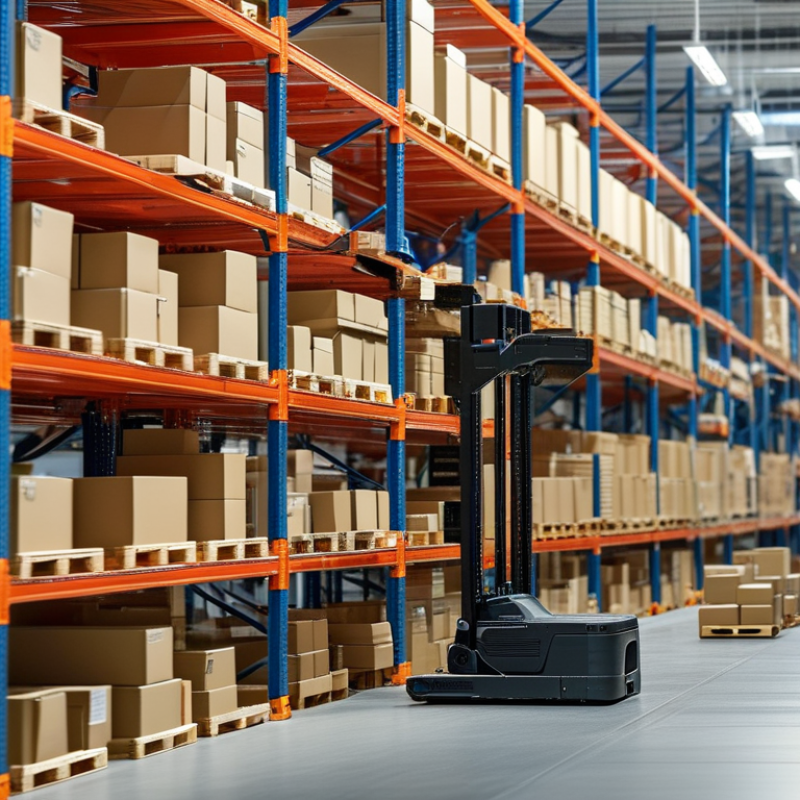
As the global logistics landscape continues to evolve, the demand for efficient storage solutions grows. In 2026, 4-way shuttle storage technology is set to play a pivotal role. Industry reports indicate that the market for shuttle systems will reach USD 3.5 billion by 2026. This rapid growth is driven by the increasing need for automation and space optimization in warehouses.
Seamless integration with existing warehouse management systems is a significant trend. Companies expect easy scalability and adaptability. According to data from the International Federation of Robotics, automated storage and retrieval systems will dominate warehouse automation strategies, indicating a shift toward intelligent logistics. However, challenges persist. The high initial investment can be a barrier for many businesses.
Additionally, facilities face ongoing maintenance costs. As technology advances, compatibility issues may arise with older systems, requiring updates or replacements. The ongoing need for specialized workforce training adds complexity. Industry experts suggest that addressing these challenges is crucial for fully capitalizing on the benefits of shuttle storage solutions. The 4-way shuttle systems are indeed promising, yet require careful strategic planning to maximize their potential.
The global demand for 4-way shuttle storage solutions is on the rise. According to recent industry reports, the market is projected to grow at a CAGR of over 12% from 2023 to 2028. This growth reflects the increasing need for efficient warehouse management and storage systems. Many industries such as e-commerce and manufacturing are adopting these solutions to enhance space utilization and streamline operations.
A significant factor driving this demand is the emphasis on automation in warehouses. Shuttles improve material handling efficiency, reducing labor costs and minimizing errors. In North America, for example, 40% of warehouses are now automated, up from 30% in 2018. However, implementing these systems is not without challenges. Some companies struggle with integration into existing infrastructure.
Furthermore, cost remains a concern for many potential buyers. The initial investment can be substantial, leading to hesitation in adopting these technologies. Buyers are often unsure about the long-term benefits versus immediate expenses. Evaluating the value proposition is essential for decision-makers. There’s still room for improvement in understanding market needs and ensuring solutions meet user requirements effectively.
| Region | Market Demand (Units) | Annual Growth Rate (%) | Key Factors Influencing Demand |
|---|---|---|---|
| North America | 150,000 | 5.2 | E-commerce growth, warehouse automation |
| Europe | 120,000 | 4.8 | Sustainability initiatives, increased logistics efficiency |
| Asia-Pacific | 200,000 | 7.5 | Urbanization, rising consumer demand |
| Latin America | 70,000 | 3.2 | Economic development, infrastructure investments |
| Middle East & Africa | 50,000 | 2.8 | Digital transformation, regional logistics improvements |
In 2026, 4-way shuttle storage systems are evolving to meet various industry needs. These systems enhance efficiency and space utilization in warehouses. Notably, advanced technologies have been integrated into their designs. For example, automated inventory tracking reduces human error. Enhanced software capabilities improve data analysis and decision-making.
Key innovations include modular designs, which allow for flexible configurations. These configurations adapt to different warehouse layouts and product types. Energy-efficient mechanisms are also a focus. They minimize operational costs while maximizing speed. Real-time monitoring systems provide invaluable insights into performance.
Considerations when selecting a shuttle system include compatibility with existing infrastructure. Evaluate the scalability of the system to accommodate future growth. Effective training for staff is critical to maximize system benefits. Understand that not all innovations will suit every operation. An exploration of various models enhances informed decision-making. Testing multiple options may reveal unforeseen limitations. Explore various configurations before making a choice.
When assessing 4-way shuttle storage solutions, cost-effectiveness is paramount for businesses. These systems enhance warehouse efficiency and streamline operations. However, the initial investment can be daunting. Therefore, evaluating the return on investment (ROI) is crucial. Some systems may offer lower upfront costs, but hidden expenses often arise. Maintenance and energy consumption are two critical factors in this equation.
Operational efficiency is equally important. A well-designed 4-way shuttle can drastically reduce aisle space and improve inventory access. However, not all systems are created equal. Some may lack scalability, limiting future growth potential. Before committing, buyers must consider the flexibility of a solution in adapting to changing business needs. Ultimately, comparing various models and their features can help identify the most suitable option.
Additionally, long-term partnerships with suppliers may warrant further savings. A solid relationship can yield better pricing and service. Yet, it’s essential to continuously assess vendor reliability. An initial good deal could lead to future challenges if the supplier fails to meet expectations. Balancing initial costs, service reliability, and operational efficiency ensures better decision-making in adopting 4-way shuttle storage systems.
The adoption of 4-way shuttle storage systems is rapidly increasing across various industries. Companies that implement these systems often report improved efficiency and reduced operational costs. As user needs evolve, the market for shuttle systems is expected to grow significantly. Industry analysts project that the growth rate may exceed 10% annually in the coming years. This momentum reflects an increasing reliance on automation and advanced storage solutions.
One of the challenges faced by organizations adopting shuttle systems is the integration with existing workflows. Not all operations seamlessly transition to automated solutions. Additionally, the upfront costs can be daunting for some businesses. These factors may result in hesitance or incomplete implementation. Companies must carefully assess their infrastructure before making a leap.
Despite potential setbacks, the long-term benefits are compelling. Enhanced space utilization and faster retrieval times can offset initial investments. As more businesses share their experiences, the collective knowledge will foster broader acceptance. Future projections suggest a dominant trend toward shuttle systems, emphasizing the need for ongoing adaptation in the logistics landscape.
: The market for shuttle systems is projected to reach USD 3.5 billion by 2026.
It offers efficiency and space optimization in warehouses amid evolving logistics demands.
High initial investment and integration with existing workflows can be significant hurdles.
They need to assess infrastructure carefully and consider long-term efficiency gains.
Yes, ongoing workforce training is essential for maximizing the benefits of these systems.
Implementing these systems typically leads to reduced operational costs and improved efficiency.
Hesitation often stems from high costs and difficulty integrating with current processes.
The growth rate may exceed 10% annually, reflecting increasing automation reliance.
It fosters broader acceptance and collective knowledge within the industry.
Yes, ongoing maintenance costs can add complexity and must be factored in.
The article explores the evolving landscape of 4-Way Shuttle Storage solutions anticipated for 2026, highlighting significant global trends in technology. It delves into market demand, illustrating a growing preference among businesses for efficient, scalable storage options. Key innovations and features in leading shuttle systems are examined, showcasing advancements that enhance storage flexibility and operational efficiency.
Additionally, the article provides a comparative review of the cost-effectiveness of various 4-Way Shuttle Storage options, offering insights into budgeting for future investments. Projections indicate robust industry growth and increased user adoption of shuttle systems, underscoring their critical role in modern logistics and supply chain management. Overall, the future of 4-Way Shuttle Storage appears promising as organizations increasingly recognize its potential to streamline operations and reduce costs.

Sanyang Racking