How to Optimize Pallet Storage for Efficient Warehouse Management?

Time:2026-09-01 Author:Madeline
0%

In today's fast-paced logistics environment, optimizing pallet storage is essential for effective warehouse management. According to a report by the Warehousing Education and Research Council (WERC), efficient pallet storage can directly influence inventory turnover rates. Studies show that warehouses with optimized pallet layouts can achieve up to 15% higher space utilization. This is particularly crucial as e-commerce continues to drive demand for rapid fulfillment.

Investing in pallet storage strategies can reduce handling time. The American Production and Inventory Control Society (APICS) states that an organized pallet system can improve picking efficiency by at least 25%. However, many warehouses still struggle with outdated storage methods. Lacking proper analysis and planning, they risk losing space and efficiency.

Regularly reviewing pallet storage practices is vital. Continuous improvement should focus on shelf heights, stacking methods, and load capacities. Many facilities overlook the importance of adapting to changing inventory needs. Ignoring these factors could lead to operational bottlenecks and increased costs. In summary, optimizing pallet storage is not just beneficial; it is a necessary shift toward a more agile warehouse operation.
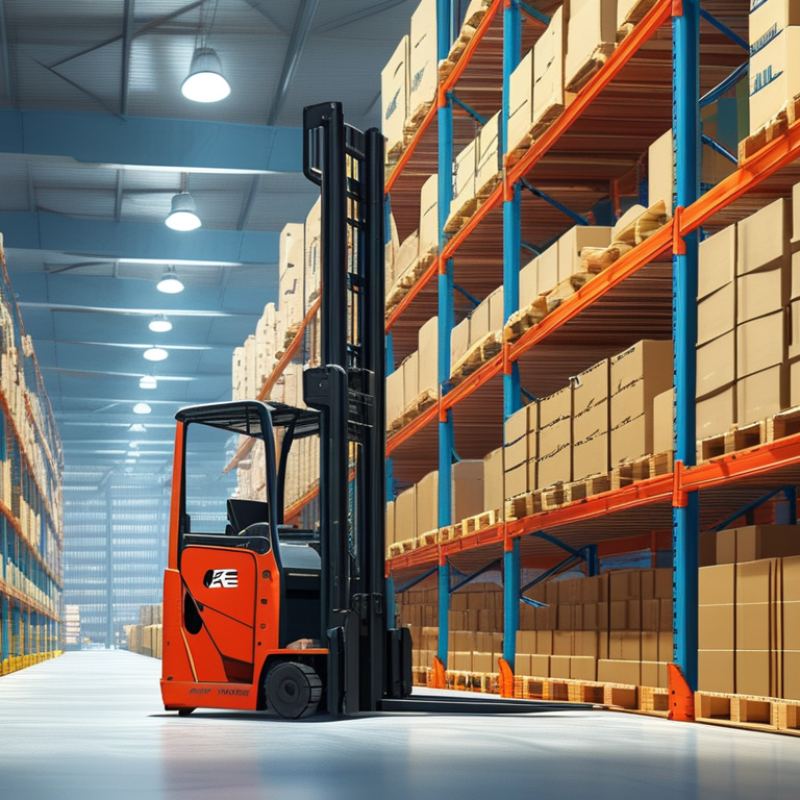
How to Optimize Pallet Storage for Efficient Warehouse Management?

Understanding Pallet Storage: Importance in Warehouse Management

Pallet storage plays a crucial role in warehouse management. With efficient pallet management, warehouses can improve organization and maximize space. It is essential to assess the type of products stored. Different items require different pallet sizes and storage methods, such as stacking or shelving. Understanding the workload can help tailor pallet storage strategies effectively.

Many warehouses struggle with optimizing storage due to poor layout or inadequate planning. A common issue is overcrowding, where pallets are crammed into limited spaces. This can lead to safety hazards and inefficiencies in retrieving items. Regular audits and evaluations can pinpoint areas needing improvement. It’s essential to change storage methods as inventory fluctuates.

Training staff on best practices for pallet storage can enhance efficiency. Employees must know how to stack pallets properly and understand weight limits. Regularly updating storage procedures keeps the system flexible. This proactive approach can prevent future headaches and maintain a safe working environment.

Analyzing Different Types of Pallet Configurations for Space Optimization

When considering pallet storage for warehouses, the configuration is essential for optimizing space. The two common types are block stacking and rack storage. Block stacking is straightforward, needing minimal equipment. However, it often leads to wasted vertical space. It might also hamper accessibility, making it challenging to retrieve pallets from the bottom.

Rack storage, on the other hand, maximizes vertical space effectively. It allows for better airflow and inventory rotation. Each pallet location is identifiable, simplifying inventory management. Yet, this method requires investment in equipment and maintenance. The choice of configuration should align with the specific needs and layout of the warehouse.

A thorough analysis of your product types can guide the optimal configuration choice. For example, larger loads benefit from block stacking, while smaller, diverse items suit rack systems. Each method has its pros and cons, necessitating a reflective approach. Understanding these nuances can enhance overall warehouse efficiency.

How to Optimize Pallet Storage for Efficient Warehouse Management?

Pallet Configuration Type Storage Density (Cubic Feet) Accessibility Score (1-10) Cost Efficiency (%) Ideal Use Case
Standard Rack Configuration 650 8 85 General Warehouse Storage
Drive-In/Drive-Through Racking 800 7 90 High FIFO Requirements
Push Back Racking 750 6 88 Storing Varying Products
Selective Racking 600 9 80 High Turnover Items
Narrow Aisle Racking 720 6 82 Limited Space Warehousing

Implementing Warehouse Layout Strategies for Effective Pallet Storage

When optimizing pallet storage, an effective warehouse layout is crucial. Start with clear pathways. Ensure that employees can navigate without hindrance. Aisles should be wide enough for forklifts and emergency exits. This layout prevents accidents and saves time.

Next, consider pallet stacking methods. Double-deep storage can increase capacity. Yet, it can also complicate access. Balance efficiency with accessibility. High-density storage might seem appealing, but it can lead to difficulties when retrieving specific pallets. Adjust your strategies based on product turnover rates. High-demand items should be easily reachable, while slower-moving inventory can be stored higher or deeper.

Regular assessments are vital. Monitor how the current layout performs. Gather feedback from staff about their daily challenges. This insight can highlight areas for improvement. Even the best strategies need tweaking over time. Engaging with employees fosters a culture of continuous improvement. Emphasize that no layout is perfect; there is always room for refinement.

Leveraging Technology and Software in Pallet Management Systems

In today's fast-paced logistics landscape, leveraging technology can vastly improve pallet management systems. Real-time data tracking enhances visibility throughout the warehouse. This ensures better inventory control and reduces errors. Advanced software solutions help in organizing pallets efficiently. They provide insights into space utilization and inventory turnover rates. By using these tools, warehouse managers can make informed decisions.

Automation in pallet storage also plays a critical role. Automated guided vehicles (AGVs) can transport pallets to designated storage locations. This minimizes manual labor and speeds up operations. However, integrating such systems requires careful planning. Many warehouses struggle with adapting to new technologies. Staff training and system compatibility are common challenges. Finding a balance between automation and human oversight remains essential.

Implementing a robust pallet management system means choosing the right technology. Cloud-based solutions offer scalability and flexibility. They allow businesses to adapt to changing needs quickly. Yet, not all software options provide the same level of reliability. Researching thoroughly is vital to avoid costly mistakes. Strive for continuous improvement within your warehouse to face future challenges head-on.

Regular Maintenance and Inventory Practices for Optimal Efficiency

Regular maintenance is crucial for optimizing pallet storage in the warehouse. A study by the Warehouse Efficiency Institute indicates that well-maintained storage systems can improve efficiency by up to 30%. Regular inspections and maintenance can prevent costly downtime. Equipment failures often occur when proper checks are missed. Ensuring that pallet racks and forklifts are regularly serviced can significantly enhance operational performance.

To maintain optimal efficiency, accurate inventory practices are essential. Implementing a robust inventory management system allows for real-time tracking. According to the National Association of Wholesaler-Distributors, firms that employ inventory management solutions reduce excess stock by at least 25%. This affects storage space positively, increasing room for incoming goods. It is worthwhile to revisit inventory turnover rates regularly. Slow-moving items should be identified and addressed promptly to free up valuable space.

Avoid overlooking training and staff engagement. Team members play a key role in maintaining efficient warehouse practices. Regular training sessions can help reduce errors and ensure everyone understands the systems in place. Efficient communication between departments is also vital. It fosters a collaborative culture where issues can be identified and resolved quickly. Such strategies lead to improved overall warehouse management.

FAQS

: Why is pallet storage important in warehouse management?

: Pallet storage improves organization and maximizes space in warehouses.

How do product types affect pallet storage?

Different products need various pallet sizes and storage methods for optimal storage.

What common issues arise in pallet storage?

Overcrowding leads to safety hazards and difficulty retrieving items.

How can staff training improve pallet storage practices?

Training helps employees stack pallets properly and understand weight limits for safety.

What layout features enhance pallet storage efficiency?

Clear pathways and wide aisles for forklifts prevent accidents and save time.

Why are regular assessments of the warehouse layout important?

Assessments highlight challenges and opportunities for improvement based on staff feedback.

How does technology benefit pallet management systems?

Real-time data tracking improves visibility and reduces errors in inventory control.

What role does automation play in pallet storage?

Automation speeds up operations but requires careful planning and staff training.

What should be considered when choosing pallet management software?

Assess reliability and flexibility of software options to avoid costly mistakes.

Is there a perfect layout for pallet storage?

No layout is perfect; continuous improvement is key for optimal storage efficiency.

Conclusion

Pallet Storage plays a crucial role in enhancing warehouse management efficiency. Understanding its importance involves analyzing various types of pallet configurations that can maximize space utilization. By implementing effective warehouse layout strategies, businesses can further optimize their storage capabilities, ensuring that pallets are arranged in a manner that facilitates both accessibility and organization.

In addition, leveraging technology and software systems in pallet management can streamline operations, allowing for better inventory tracking and management. Regular maintenance and inventory practices are essential for sustaining optimal efficiency within the warehouse. By prioritizing these aspects of Pallet Storage, companies can significantly improve their logistical processes and overall productivity.

Madeline

Madeline

Madeline is a dedicated marketing professional with a wealth of expertise in our company's core offerings. With a keen understanding of the industry, she brings a unique perspective to her role, consistently delivering high-quality content that highlights the superior aspects of our products. As......